The challenge of creating justice in an unjust system
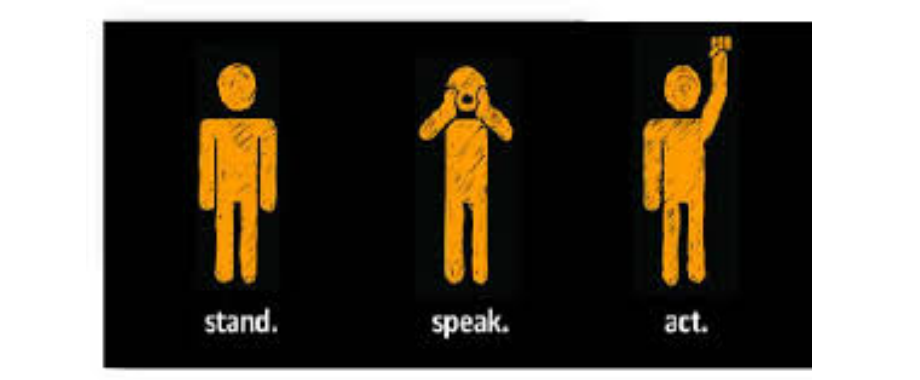
Our deepest failures as a community, when preventable public health crises takes place, is when we think back on all that we could have done to prevent and deter problems from arising, but instead we did nothing. We give our power away and empower folks who might be harming our communities. Our best defense in circumstances as such is being active and positive bystanders.
What is a bystander?
A bystander is a witness, someone who is in a position to know what is
happening and is in a position to take action.
What does passive mean? What is a passive bystander?
For some people, the word bystander means passive. We use "bystander" in a
neutral way. So a bystander can remain passive or become active.
Passivity in a bystander displays itself as:
1. Enabling folks who are causing harm
2. Not taking responsibility for things happening in our environment
3. blaming victims for being harmed
4. Creating a culture that accepts hurtful behavior.
5. Distrust in the community
COMPLICITY
Complicity
Sometimes, bystanders are not only passive, but also complicit. Complicity
means any words, actions, or non-verbal reactions by which a bystander
supports someone causing harm. This includes facial expressions or gestures, laughing,
joining in, and saying something to support the person causing harm. Any of these would make a witness complicit. Sometimes witnesses might laugh because they are nervous and do not know what to do. But this laughter tends to be taken by people who are causing harm as support and by targets as complicity with the person causing harm.
What a passive bystander does.
❖ Walks away
❖ Laughs
❖ Ignores
❖ Sometimes joins in
Effects of an active bystander:
❖ Tells someone causing harm that these actions are not accepted.
❖ Continued harmful action becomes less likely
❖ Makes the target feel better. They do not feel abandoned; they feel
protected and connected to other people. This makes later harmful
acts against this person less likely
❖ Is careful not to embarrass the target (since taking action can show the
target needs protection)
❖ Has a positive effect on the larger community by showing what is not acceptable or approved.
Active bystandership is a natural way to behave toward other people. It is a responsibility as a member of a civil society where people can feel secure and live without fear. Being an active bystander is a normal part of being human. We will discuss why being an active bystander is sometimes difficult and takes moral courage.
Moral Courage
❖ What is courage?
❖ What is physical courage and what is moral courage?
❖ As we think about courage, why is it important to think of our
safety?
Moral courage is the ability and willingness to act according to our values (to do the right thing) even though others might disapprove of our actions, or do other harm to us. Moral courage means doing what you believe is the right thing even when you are actions are contrary to the values, beliefs or expectations of the people around you.
How to be a good bystander?
❖ Be proactive
❖ Disrupt the situation
❖ Confront the person causing harm
❖ Don't act alone-- enlist others in the area to become active bystanders
❖ Focus on the needs of the targeted person and make sure they receive the support that they need
❖ Set the expectation to speak up and to step in
Bystander Intervention Strategies
The five Ds of Intervention
Direct: A direct intervention is just as it states: a bystander confronts a potentially harmful situation directly. For example, someone may witness a situation developing with a friend and another person that looks like it may escalate. Directly stepping in to pull the friend out of the situation and walking away with them may be necessary. When safe, being direct is the most immediate way to intervene in a situation.
Distract: If it is not safe to address a situation directly, creating a distraction to diffuse or interrupt the situation may offer a deterrence. Examples of distraction include “accidentally” spilling a drink, asking for directions, or asking to borrow a cell phone from the person in the threatening situation. A brief interruption may be all that is needed to diffuse potential harm.
Delegate: There is strength in numbers. Enlist help from peers, friends, or passers-by to approach the situation together, and/or brainstorm ways to intervene. If possible, seek help from a person in authority, such as a staff member, bus driver, or bartender. Examples include directing someone to call for help, pulling in others for support, and working together as a team to help the person in danger.
Delay: If you can't take action in the moment, wait until after to ask the targeted person how you can assist. That way you can be proactive and the victim doesn't feel alone.
Document: Taking a screenshot of concerning texts, social media posts or documenting misbehavior can be a way of attempting to hold another person accountable.